
Natürlich kommt es auch im Falle eines Girokontos stets darauf an, dass man selbst für diesen Zweck die richtigen Punkte ins Auge fasst. Dies ist allein schon deshalb sehr zu empfehlen, weil so die Chancen auf den Erfolg noch deutlich weiter in die Höhe geschraubt werden kann.
Die unterschiedlichen Faktoren
Das kostenlose Girokonto an sich ist natürlich ein sehr wichtiger Punkt, denn es ist  notwendig, ganz unterschiedliche Faktoren ins Auge zu fassen. Denn es müssen hier so viele Faktoren mit ins Auge gefasst werden müssen, dass es nicht immer einfach ist, sich selbst ein Bild davon zu machen. Eine Ausnahme wäre hier zum Beispiel der Fall, wenn Sie sich beruflich mit diesem Thema befassen, und somit die Möglichkeit haben, selbst das beste Angebot zu finden. In allen anderen Fällen ist es dagegen sehr gut, einen Girokonto Test im Internet zu machen. Dafür wurden ganz unterschiedliche Seiten entwickelt, die dabei sogar noch ganz und gar kostenlos genutzt werden können. Nach und nach gelingt es so, den richtigen Anbieter für sich selbst zu finden. Deshalb ist es wichtig, die richtigen Faktoren ins Auge zu fassen, denn die meisten Anbieter machen direkt am Anfang einen relativ schwerwiegenden Fehler. Dieser besteht vor allen Dingen darin, dass man den Zinsen eine deutlich zu hohe Bedeutung gibt. Dies lässt sich an einem kleinen Beispiel sehr sehr gut verdeutlichen. Dies liegt vor allem daran, dass wir auf einem Girokonto mit Prämie meist sowieso nur einen relativ kleinen Betrag zu finden haben.
Ein Beispiel
Nehmen wir also an, ein Kunde legt 2000 Euro auf seinem Girokonto ohne Gehaltseingang an, damit er über diese sehr schnell und flexibel verfügen kann. Nun bekommt er pro Jahr in etwa zwei Euro an Zinsen. Natürlich könnte man nun argumentieren, dass dies fast für eine Tasse Kaffee ausreicht. Doch sogar wenn er nun ein Angebot mit doppelt  so hohen Zinsen, nämlich 0,2 Prozent finden würde, könnte der Ertrag pro Jahr nur um zwei schlappe Euro gesteigert werden. Sehr viel wichtiger sind in der Folge also all die anderen Faktoren, die man in diesem Rahmen natürlich ebenfalls direkt ins Auge fassen kann. So geht es nun zum Beispiel darum, von Anfang an die Vorteile mit zu sich zu ziehen. Besonders gut ist es natürlich, wenn bei diesem Girokonto sehr viele Geldautomaten in der eigenen Nähe zu finden sind. An diesen sollten natürlich keine Gebühren entstehen, denn nur diese Automaten können auch wirklich mit einer guten finanziellen Seite genutzt werden. Nun geht es also darum, von Anfang an zu erkennen, welche Punkte denn nun eine so wichtige Rolle spielen. Das Ziel sollte es sein, dass das eigene Angebot am Ende so gut wie nur möglich zu der eigenen Person passt. Ist genau dies der Fall, so können Sie sich sicher sein, dass Sie alles richtig gemacht haben. Am Ende des Tages gilt es also genau auf diese Punkte zu achten, um den Erfolg mit auf die eigene Seite zu ziehen. Wenn Ihnen dies gelingt, so sind Sie auf der richtigen Seite.
 Rentabel für fast jeden Verbraucher, ein regelmäßiger Stromvergleich. Dieser hilft nicht nur Geld zu sparen, sondern ermöglicht immer wieder auch die Leistungen der einzelnen Versorger miteinander zu vergleichen. Fast alle Energieanbieter sind bemüht, dem Kunden die
  Die Zahl derer, die in Deutschland einen Stromvergleich durchführen wächst ständig. So ein Stromvergleich dient dazu,
 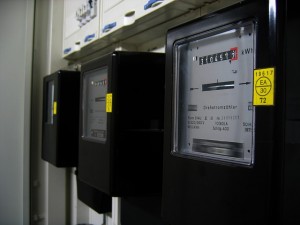 den
den  Vertrag zu spät abschließt, bleibt die Stromversorgung sichergestellt. In diesem Fall fällt man beim örtlichen Versorger in die Grundversorgung zurück, der Wechsel zum günstigeren neuen Anbieter verschiebt sich in diesem Fall nur. Hier trifft das Sprichwort zu: „Aufgeschoben ist nicht aufgehoben!“
 Es gibt im Internet inzwischen zahlreiche Seiten, auf denen Singles ihre bessere Hälfte finden sollen. Dieser Markt ist inzwischen so gewachsen, dass es gar nicht mehr leicht ist, dabei stets den Überblick zu bewahren, und sich so direkt an die richtige Seite zu wenden. Dies ist auch dafür verantwortlich, weshalb es sich so lohnt, hierfür ein Hilfsmittel aus dem Internet zu nutzen. Dieses bietet sich hier in Form vom Singlebörsen Vergleich.
 spielen. Bereits unmittelbar nach der Eingabe von wenigen persönlichen Daten wird nun eine Liste erstellt, in der die gewünschten Anbieter alle zu finden sind. Jedes der Angebote wird dabei noch mittels weniger Stichpunkte beschrieben, welche sich allesamt sehr schnell erfassen lassen.
 dadurch noch schneller zu den gewünschten Erfolgen zu kommen. Der Vergleich selbst ist dabei vollkommen kostenlos, sodass sich auch hier kein Grund ergibt, es nicht einmal auf diese Weise zu versuchen. Der Grund dafür ist, dass es für die Seite möglich ist, sich über die